
wisenet honeywell bosch holowits surviellance system
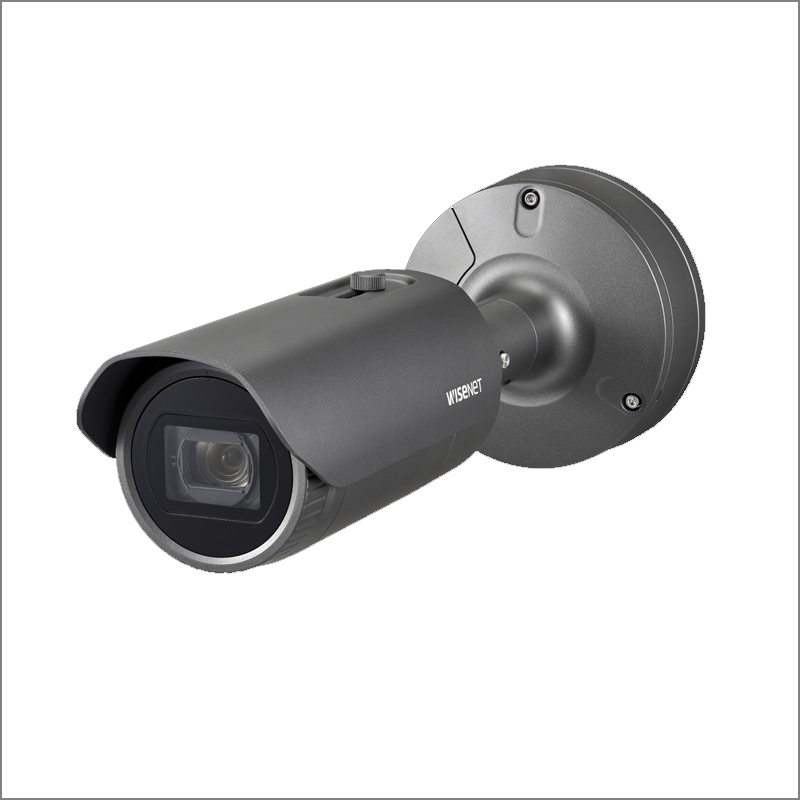


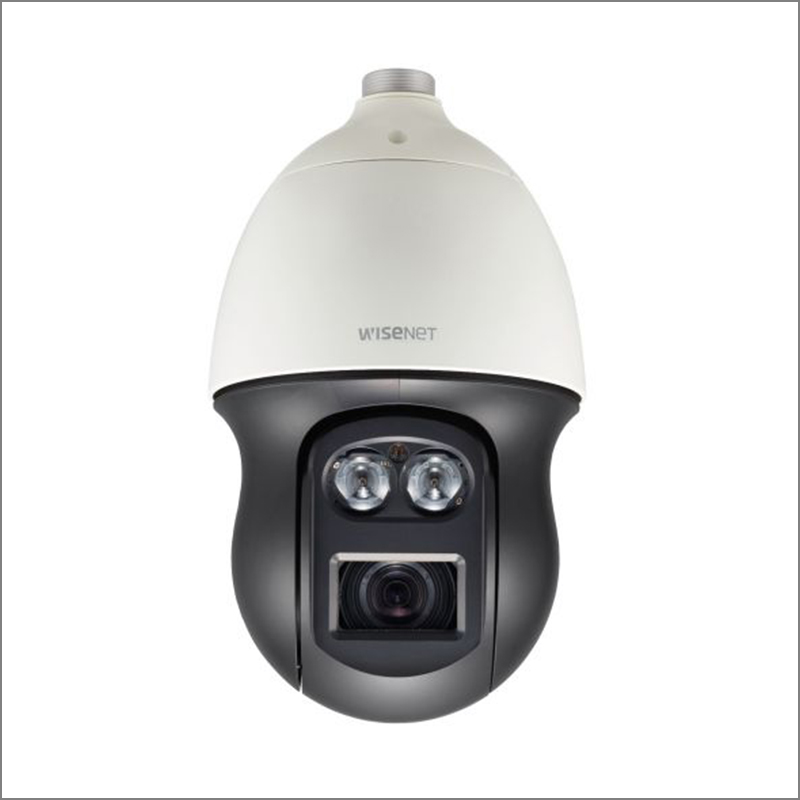


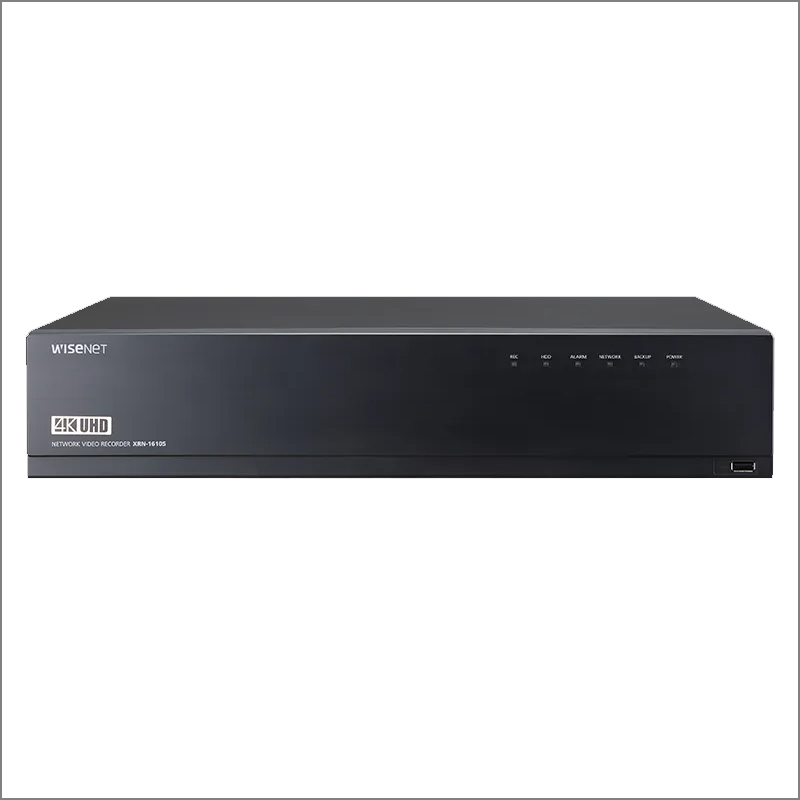
The website provides detailed information about each product, including specifications, features, and pricing. Customers can also reach out to the record team for consultations, inquiries, and technical support.
How is technology used to monitor people in care home settings? CCTV is one of a wide range of technology used to monitor people in care home settings. Indeed, its uses are varied and ranging. The Care Quality Commission (2018) has summarised the main categories of technology currently being used: • Telecare – including personal alarms that people wear or put in their home, sensors that can track activity and identify risks, memory aids • Telemonitoring – wearable implants or placed in the home to monitor health such as blood sugar, blood pressure, temperature, heart rate, breathing • Telemedicine or telehealth – phone or video contact between people and health and social care professionals and between professionals • Digital records – including: care plans, staff information • mHealth (or mobile health) – including: apps, online patient communities, wearable technology to promote health • Automated triage technology – apps and devices that use algorithms • Overt and covert surveillance systems in communal/private settings
What are the ethical debates relevant to the use of monitoring technology in care home settings? The ethical debates relevant to the use of CCTV are also important to consider. A useful frame for these debates has been proposed by John Chesterman (2017) Deputy Public Advocate for Victoria in Australia. Adapted for the Northern Ireland context it asks how one would respond if the Department of Health proposed installing CCTV in your living room, kitchen, bathroom and bedroom with the aim of promoting your health and protecting you from harm. Chesterman surmises the instinctive response is likely to be negative. Interestingly however, the initial 7 instinctive response to the proposal that CCTV be used to try to prevent abuse of people in care home settings can be mixed or even positive. Some of the key ethical debates are then explored. These include:
Rights based issues – the balancing of protection and privacy • The benefits vs harm debate – the potential intended and unintended effects of increased uses of technology • Perspectives of service users who live in care home settings, their family and friends, and staff who work in care home settings • Legal debates including issues of capacity and consent • Practical and economic perspectives – what are the possible and best use of limited resources
What policies and guidance have been developed for the use of monitoring technology in care home settings? There are already many existing policies and guidance relevant to the use of CCTV in care home settings and so important excerpts from these key documents are provided within. The general themes contained within existing policies and guidance include: (1) that CCTV should be for a specific purpose (to promote care/prevent abuse); (2) it is based on a comprehensive assessment; (3) there needs to be consultation with all involved; (4) issues of consent and capacity need to be addressed; (5) the relevant legal requirements need to be considered; (6) the associated need for training should be identified and; (7) the wider practical and operational issues also need to be considered.
Methodology for the rapid evidence assessment The rapid evidence assessment for this report focused on the evidence for the effectiveness of the use of CCTV in care home settings. The methodology for a rapid evidence assessment involves a number of key stages which include: Searching the relevant databases and other sources; screening the results to determine if they should be included in the review; assessing the quality of the relevant research; extracting the detailed data from the included studies; synthesising these data into the most relevant aspects of the evidence; and putting all the results together in a summary table.
The use of CCTV in care home settings is a complex subject which raises a range of ethical, legal and effectiveness questions. This report aims to provide: an overview of the main issues; a rapid review of the international evidence of the effectiveness of CCTV in care home settings; and a discussion of the implications of the current debates and evidence for law, policy, service provision and practice in Northern Ireland.
The context of this report includes ongoing concerns about the quality of care, and also the potential for abuse, in care home settings, in parallel with technological advances which make increased monitoring and surveillance possible. The potential for surveillance, in this case covert, to record and expose abuse was dramatically demonstrated by the BBC’s 2011 Panorama programme about Winterbourne View Hospital. In Northern Ireland, concerns about the care provided at Dunmurry Manor Care Home and Muckamore Abbey Hospital have also lead to calls for the increased use of monitoring and surveillance technology in care home settings to be considered. In all three cases CCTV played an important role in recording behaviour by staff which raised concern. An important initial clarification is that concerns were not initiated by CCTV in these cases but were used to explore concerns that had been identified by staff or family members. In the case of Muckamore, the CCTV recordings did then lead to the identification of other concerns.

The general use of technology to monitor people in care home settings In order to provide the wider context for considering the use of CCTV this section outlines the range of uses of technology in care home settings. Considering the different ways technology can be used it is important to avoid the potential false dichotomy: to use technology or not. In practice, there is a wide range of possible uses and arguments will vary depending on a range of variables. Hanratty et al. (2019) in their mapping of the use of technology to enhance health in care homes reported that “The list of potential applications of technology in this setting is long, and includes remote monitoring, communication between care homes and external agencies and families, medicines optimisation, assistive technologies and the promotion of physical and social activity. Recent developments have focused in particular on the introduction of platforms that link electronic health and care data records, tools for remote consultation and diagnosis, sensor-based technologies that monitor movement and physical activity and social robots that act as companions or serve to support [Activities of Daily Living].” (p.11) The Care Quality Commission (2018) provides a useful outline of the range of technology used in care.
Telecare Telecare includes personal alarms that people wear or put in their home. They call for urgent help when activated. Sensors can track activity and identify risks where a person lives. They call for help if the person falls or there is a lack of movement for some time. They can also identify when a person is moving around less than usual, or if their habits change. For example, they might be using the bathroom more or sleeping less at night. Sensors can also pick up risks like fire, gas leaks, floods or significant temperature changes. Memory aids help people remember when or how to do something, like take medicine, eat a meal or have a drink. These include talking alarm clocks or watches, which can help people with dementia.
Telemonitoring Telemonitoring includes equipment people wear including implants under the skin, or put in their home to monitor their health. Examples include monitors for: • blood sugar • blood pressure • temperature • blood pressure • temperature
Telemedicine Telehealth or Telemedicine is phone or video contact between people and health and social care professionals. It enables people to have contact with the professional in real time when the option of a face to face meeting is not available or it isn’t needed to agree the best treatment. For example, it could be used to connect a number of professionals involved in someone’s care. Or in smaller hospitals to link with centres of excellence.
Digital records Records can be written, stored and shared digitally rather than on paper. This includes: • care plans • medical/clinical records • medication systems (eMar) • staff employment records, including recruitment and training records
mHealth mHealth (or mobile health) includes: • apps for smartphones or tablets • online patient communities offering information and support wearable technology to help people stay fit and healthy, to communicate with friends and family and to carry out everyday tasks. This does not need to be prescribed as part of medical treatment eg. fitness tracker.
Automated triage technology More clinical triage apps and devices that use algorithms are being introduced. They are already used in primary medical services, both in the NHS and the independent sector to help with assessment and treatment. They are also being piloted in adult social care
Policies and guidance for the use of monitoring technology in care home settings
The complexity of these issues are not unique to Northern Ireland and this section presents key extracts from a selection of policies and guidance from a range of jurisdictions that have already been developed on the use of CCTV in care home settings. The resources, and links to them, are listed below and then the most relevant sections and/or summaries from each document are presented.
Methodology for the review of the evidence of the effectiveness of the use of CCTV in care home settingsThe policy and guidance resources
A Rapid Evidence Assessment (REA) approach was used to identify the international evidence of the effectiveness of the use of CCTV in care home settings. REAs provide more thorough syntheses than narrative reviews, and are valuable where a robust synthesis of evidence is required, but the time or resources for a full systematic review are not available. The process involves the reviewers developing and then specifying search strategies. Each study was briefly quality assessed using a standardised approach. The design follows the UK Government’s Social Research Centre’s (2013) guidance on conducting Rapid Evidence Assessments.
Evidence of the effectiveness of the use of CCTV in care home settings
A total of 25 studies were included in the rapid evidence assessment. There were very few studies that actually tested the effectiveness of CCTV within care homes settings, however we included research that had general relevance to the ethical and practical use of monitoring technologies. These included so called ‘Smart Home’ technologies that can assist people to ‘age in place’ have types of monitoring often applied in residential care settings. Research evaluating alternative assisted technology that can reduce the need for CCTV was included and studies that have investigated attitudes towards surveillance within healthcare settings. One study considered the effectiveness of CCTV as a tool for solving crime, and another one study examined technology to monitor staff performance; both have relevance for the debate.
The majority of studies were qualitative in design (15), seven were quantitative and one study consisted of an economic cost-effectiveness analysis of two randomised control trials (RCTs) of healthcare monitoring. We also included a mixed-methods trial of a home monitoring system (Lie, Lindsay & Brittain, 2015; Vines et al. 2013) and a systematic review of camera surveillance in residential disability settings. Ten studies were based on UK research, others were conducted in Australia (2 studies), the Netherlands (5), Sweden (2), the USA and Canada (5 studies). Most of the research is fairly recent, and although our search strategy was confined to a period of the last ten years, half of them had been published within the last five (2015-2019). We included two studies published in 2007-08 as their findings were pertinent to the review. Table 1 gives a summary of each included study.
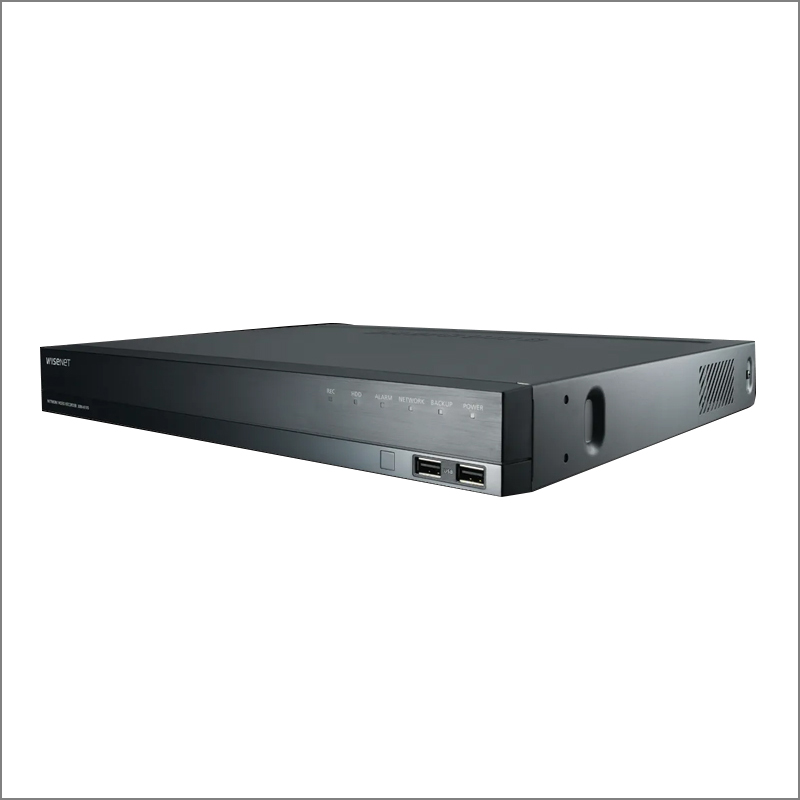

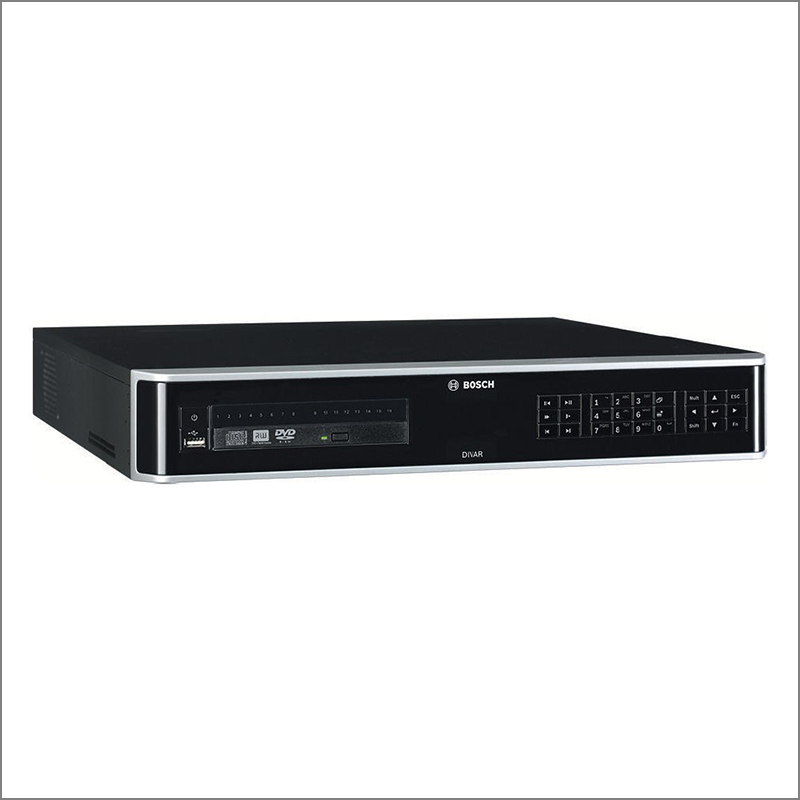


كاميرات المراقبة
اسعار كاميرات مراقبة بدون اسلاك اسعار كاميرات المراقبة HD سيستم كاميرات مراقبة كامل اسعار كاميرات مراقبة 4K سعر كاميرا سامسونج HD سعر كاميرا سامسونج 16 ميجا كاميرات سامسونج للمراقبة وكيل كاميرات Wisenet Wisenet Egypt Hanwha cctv Wisenet Camera Hanwha Egypt Hanwha techwin PTZ hanwha QNO-7080R qnd-8080r pdf XNO 9082R QNO 8020R QNF 8010 XNO 8082R QNO-7082R QNO-7080R Hanwha QND qnd-8080r qnd-6011 qnd-8011 qnd-8010r qno-6082r qno-6072r QND-7080R QNO-7080R LNO-6012R LNO-6010R LNO-6070R LND-6022R LND-6020R LND-6012R LND-6010R XNB-6002 XNB-8000 QNV-7080R QNO-7080R SNV-7080R LRN-1610S LRN-410S XRN-6410DB4 XRN-1610SA XRN-3210B2 XRN-1620B2 XRN-3010A XRN-2011 XRN-3210B2 XRN-1620SB1 XRN 1610B2 XRN-1610A XRN-6410RB2 xnb-6003 xnb-h6240a xnb-6002 xnb-6000 xnb-6001 Hanwha Egypt Hanwha techwin
NBE-5503-AL Bosch NBE-3702-AL Bosch NBE-5702-AL DINION 5100i IR Bosch NBE-3502-AL Bosch NBE-7703-Al Bosch NBE-3503-AL Bosch NBE-5702-AL NDE-5704-AL NDE-4502-A Bosch NDE-8514-R Bosch NDE-3502-AL Bosch NDE-5703-AL 5100i NDE-5702-A NEZ-A4-SMB NEZ-4112-PPCW4 | IP Cameras Bubble, tinted, for in-ceiling | NEZ-A5-BUB-CTIP Bosch AUTODOME IP 4000 HD indoor PTZ IP camera Bosch NEZ-5130-IRCW4 AUTODOME IP 5000 1MP Bosch NEZ-4212-CPCW4 Indoor PTZ IP Security Camera NEZ-5230-EPCW4 – BOSCH SECURITY SYSTEMS Bosch NEZ-4212-PPCW4 2.1 MP HD Indoor Network PTZ Bosch camera Bosch CCTV camera catalogue Bosch catalogue Recorder 32ch 1.5U 1x4TB 16PoE | DRN-5532-414N16 Recorder 32ch 1.5U 1x4TB | DRN-5532-414N00 Bosch DRN-5532-400N00 Network Video Recorder (NVR) Sytronix DRn 5020 Variable Speed Drive Bosch DRN-5532-400N00 | Other Products Bosch DRN-5532-214D16 32 Channel DIVAR Network DRN-5532-400N00 Recorder 32ch, 1.5U, no HDD BOSCH SECURITY SYSTEMS – DRN-5532-214D00 Bosch DRN-5532-400N16 DIVAR Network 5000 32IP 16PoE PTZ 2MP HDR 30x IP66 pendant IR | NDP-5512-Z30L PTZ 2MP HDR 30x clear IP66 pendant | NDP-7512-Z30 Bosch NDP-5502-Z30L | IP Cameras Bosch AUTODOME IP 5000i outdoor IP camera NDP-7602-Z40L PTZ 2MP 40x IR IP66 pendant NDP-7512-Z30 – BOSCH SECURITY SYSTEMS – PTZ Bosch NDP-7604-Z12L 8 Megapixel Indoor/Outdoor IR Bosch NDP-7512-Z30 Outdoor PTZ IP Security Camera Bosch NDP-5523-Z30L 5100i Autodome-Series, 4MP Starlight bosch ndp-7512-z30 manual ndp-5502-z30 ndp-5512-z30l NDP-5523-Z30L nda-u-wmt NDP-7602-Z40L عنوان توكيل بوش في القاهرة Bosch sound system egypt Bosch camera منتجات بوش في مصر رقم توكيل بوش مصر Bosch منتجات بوش وكيل كاميرات مراقبة بوش في مصر كاميرات المراقبة
Holowits where to buy HOLOWITS HOLOWITS Camera HOLOWITS S200 HOLOWITS app Hwt d2152 10 SIU P5 5LRV 33x A AI Hwt d3252 10 siu P5 5LRV 33x A AI Hwt d2152 10 SIU Hwt d3252 10 siu HOLOWITS Camera default password p1-5r(2.8-12)a ai
منتجات شركة هانيويل موزعين Honeywell انذار حريق هانيويل وكيل Gent في مصر Honeywell Egypt اسعار كاميرات Honeywell انذار حريق هانيويل شركة هانيويل مصر سعر جهاز Honeywell وكيل شركة Honeywell في مصر انذار حريق هانيويل
