
Showing all 3 results
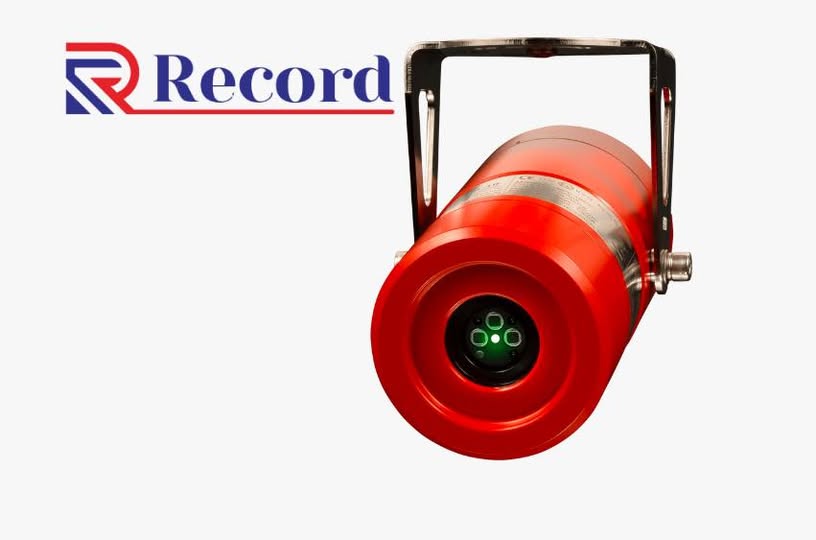
The Fgard IR3 delivers superior performance in the detection of hydrocarbon fires, using the latest infrared (IR) flame detection algorithms to minimise the risk of false alarms.
The Fgard IR3 has been independently tested to demonstrate it can detect a hydrocarbon fuel pan fire at nearly 200 feet in less than 5 seconds, maximising the time you have to respond in an emergency.
Its multi-spectrum IR will detect all hydrocarbon fires with intelligent heated optics, meaning no condensation, ice or water affecting detection. Plus, its advanced optical verification checks cleanliness of the lens and electronic circuitry, meaning no reflector optical check is needed, and a large optical surface results in far fewer false alarms.
Applications
Typical applications include:
� On / Offshore Oil and Gas
Processing Facilities
� Refineries
� Petrochemical Plants
� Chemical Facilities
� Pharmaceutical
� Aircraft Hangars
� Road Tunnels
� Power Generation
� Tank Farms
� Road & Rail Loading Racks
� LNG / LPG
� Warehouses / Storage Areas
� Waste Recycling / Biomass Plants
� Printing Industry
Features and benefits
� Multi Spectrum IR design delivers long detection
distances and enhanced false alarm immunity
� Continuous optical test, without a reflector
•Verifies operation and improves device up-time
� Microprocessor controlled heated optics
•Maintains operation in harsh weather
conditions (snow, ice, condensation)
� International hazardous area approvals
•FM / ATEX / IEC Ex / INMETRO / PESO
� Certified performance testing to multiple fuels
•FM 3260
•EN 54-10
� Adjustable sensitivity levels
•For application flexibility
•Ensure detectors do not cross vote
� External testing with a long-range flame simulator
•Minimises the need for scaffolding
� Easy integration using industry
standard outputs:
•Alarm and Fault Relays
•4-20mA
•HART®, as standard
� Certified SIL 2 Capable
•5-year warranty
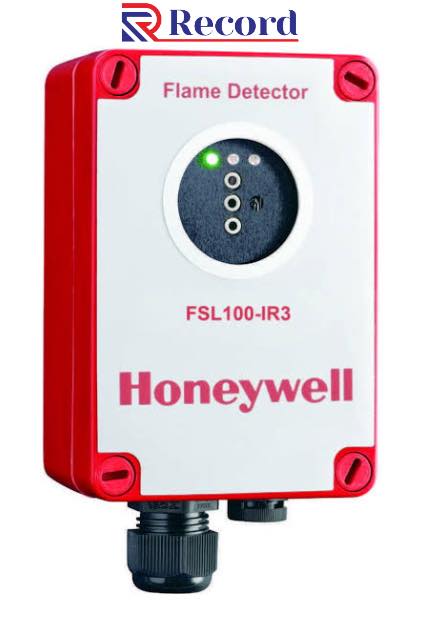
The Honeywell FSL100 Series Flame Detectors are Optoelectronic flame detectors for a wide range of Light Industrial fire detection from Honeywell Analytics.
Honeywell’s FSL100 range of Light Industrial/Commercial Flame Detectors enables simple coverage of fire hazard areas across many fire hazard applications. Installation, set-up and operation are simple. Wide solid area coverage and fast speed of response optimise safety. With inbuilt automatic test and test lamps available to cover all models, reliability is ensured.
A range of middle-market Optical Flame Detectors join the HA FSX High-End products. Addresses a wide range of fire protection applications both indoors and outdoors. With 3 versions to cover a wide range of flaming fires: Ultraviolet (UV), Ultraviolet/Infrared (UV/IR) and Triple Infrared (IR3).
Detecting a wide range of Hydrocarbon and Non-Hydrocarbon flaming fires means that many application areas can be addressed. Wide viewing angleOptical detection of radiant energy in a solid angle Field of View enables coverage of a large risk area. A simple optional mounting bracket allows the FSL100 to be installed and aligned covering the hazard. Fast responseFar faster than other technologies, by responding to flaming fires in seconds enabling a more rapid response to danger before the fire can escalate.
FM Class 1, 2 & 3 Div2 can be installed indoors or outdoors and in Hazardous areas typically looking into a Div 1 area from a distance. FM 3260 performance certified to FM 3260 for flame Detector performance. Relay and current output (Fault and Alarm) Analog stepped output and Alarm/Fault relays for simple connectivity. Inbuilt Automatic Test and Simple to use Test LampsFSL100 maintains continuous internal health monitoring. Test lamps enable simple operational and field-of-view testing.

Horing iR flame detector
LPCB approved
Characteristics
• Built-in high performance Microprocessor
that able to analysis flame signal more
accuracy.
• IR sensor has better detection range than
UV sensor.
• High immunity to sunlight or other noisy
source.
Applications
• Premises with higher ceilings: theater, gym, storage, gallery or
warehouse, etc.
• Places where fires happen easily: places storing with combustible
goods, gas stations, factory working places, machine rooms, etc.
• Ventilate places: open markets, station platforms, hotel lobbies,
department stores, etc. (places that smoke and heat can not gather
during early period of fire)
• Others: tunnels, computer rooms, etc.
